Debut singles often serve as an introduction, but Saul Damelyn’s “Museum of Love” does more than that. Released via Damelyn Records, the song establishes a voice capable of subtle emotional storytelling, combining lyrical finesse with melodic sophistication. Its lyric video, animated by Vanessa Brassey, transforms the song into a visual poem, offering viewers an intimate look into memory and emotion.
The video depicts a conceptual Museum of Love, a space where memories and feelings take shape as wandering figures move through hallways and galleries. Each room presents a different emotional texture, from the playful curiosity of desire to the quiet reflection of devotion. Phoebe White’s intermittent appearances create a haunting, dreamlike presence that underscores the piece’s introspective tone. The animation is a careful dance of light, color, and narrative, producing a sense of depth and continuity that mirrors the song’s own structure.
Vanessa Brassey’s painterly animation provides tactile warmth, a deliberate counterpoint to the often sterile aesthetic of digital media. Her background in fine art and philosophy informs the video’s conceptual clarity, ensuring that every frame contributes to the song’s themes: emotional excavation, shared history, and personal reckoning. The museum becomes a psychological space, a visual metaphor for navigating memory and connection.
Musically, “Museum of Love” is a duet between Damelyn and White, produced by Paul A. Harvey and Tom Robinson. The song unfolds like a conversation between two people examining the remnants of their shared past. Melodies rise and fall naturally, allowing the lyrical narrative to breathe. The result is emotionally resonant without being heavy, catchy without being superficial, and intimate without feeling constricted.
The song’s sonic influences blend English new wave with classic Americana storytelling. References to Elvis Costello, The Kinks, David Bowie, Lucinda Williams, and Richard Thompson are evident in the intricate guitar work, nuanced vocals, and thoughtful lyricism. Yet these influences feel integrated rather than derivative, providing a foundation for Damelyn’s distinctive voice.
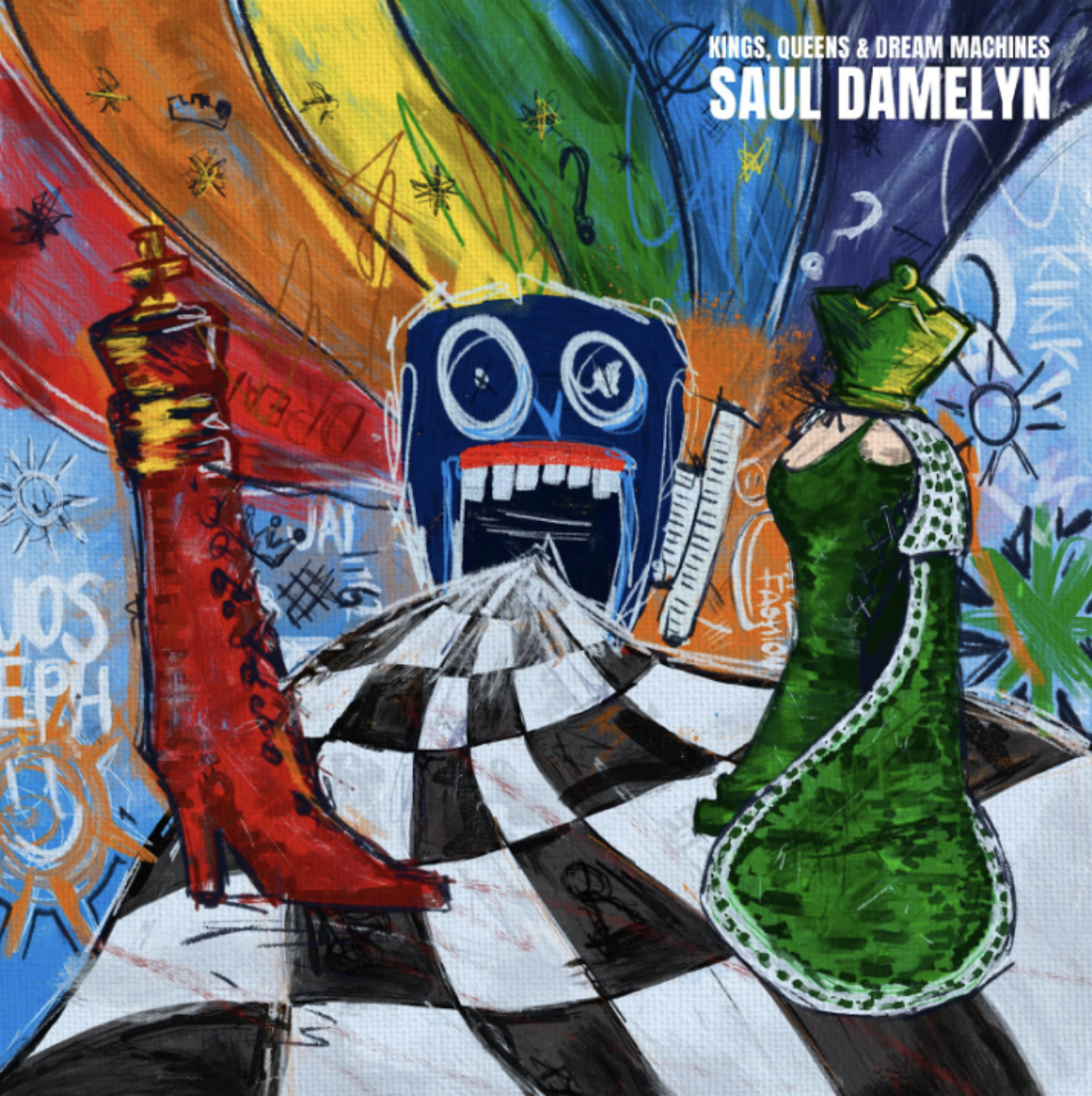
As the first single from the upcoming album Kings, Queens and Dream Machines, “Museum of Love” introduces Damelyn as an artist capable of translating personal reflection into universally resonant work. The lyric video amplifies this, creating a fully realized visual world that encourages repeated engagement. Each viewing reveals new details, emphasizing the layered nature of memory and human connection.
In sum, “Museum of Love” is a debut that transcends conventional pop or indie music releases. It is a careful, thoughtful exploration of emotion, memory, and artistic vision. Through both sound and image, Saul Damelyn invites audiences to experience the quiet power of introspection and the beauty of emotional storytelling, making the single and its video a notable entry into the contemporary music landscape.
 Cool Happy Genius Heroes