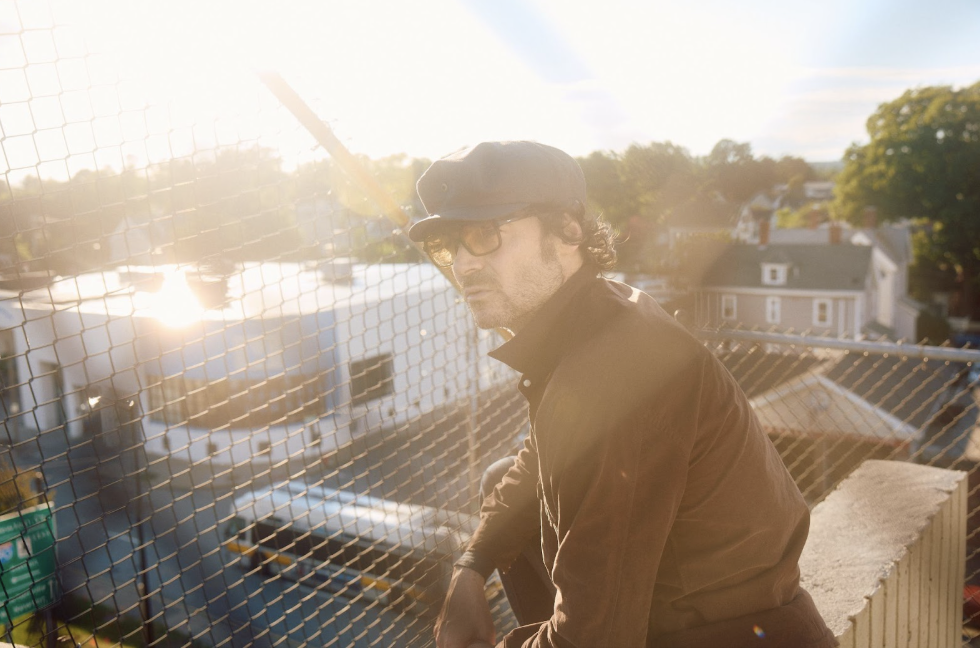
Listening to BOYS TALKING feels like stepping into a room where conversations are already unfolding—quiet, tentative, vulnerable. Will Dailey’s seventh album doesn’t announce itself with spectacle. Instead, it builds emotional architecture through tone, texture, and restraint, inviting listeners into a space where feeling is allowed to linger.
The record was shaped through careful reduction. From nearly eighty tracks, Dailey selected ten, distilling the album to its emotional essence. What remains is a collection of songs focused on communication among men—the ways it falters, strains, and occasionally finds grace. These aren’t confessional outbursts or cathartic climaxes. They are reflections, fragments, and half-spoken truths.
Musically, the album moves fluidly between folk intimacy, soul warmth, and understated rock energy. Each arrangement feels deliberately open, leaving room for breath and nuance. Guitars drift, rhythms pulse gently, and harmonies arrive sparingly, reinforcing the album’s conversational nature.
The live recording approach contributes significantly to this atmosphere. Captured over ten days with collaborators gathered in one room, the album preserves spontaneity and human connection. You can hear musicians responding to each other in real time—tiny shifts in tempo, subtle harmonic adjustments, fleeting moments of tension and release.
Tracks like “Send Some Energy” and “Tremble On Me” approach grief and loss with remarkable softness. Rather than dramatizing pain, they allow it to exist quietly, mirroring the slow, internal processing of emotional reality. “Make Another Me,” featuring Juliana Hatfield, turns toward modern alienation, reflecting on replication, digital identity, and the uneasy relationship between humanity and technology.
Elsewhere, “One at a Time” offers a sharp contrast, moving with angular urgency and restless momentum. The song captures the tension between motion and stagnation, suggesting that emotional survival often depends on incremental progress rather than sweeping change.
What sets BOYS TALKING apart is its emotional maturity. Dailey does not seek to resolve complexity. Instead, he sits with it. The album acknowledges uncertainty, contradiction, and vulnerability as enduring states rather than problems to be solved.
That philosophical stance extends into the album’s release strategy. For eighteen months, BOYS TALKING lived outside streaming platforms, circulating only through physical formats and direct downloads. This decision reframed listening as an act of intention rather than convenience, aligning process with content.
Now, as the album arrives digitally, it retains that sense of deliberateness. One track remains exclusive to physical formats, honoring early listeners and reinforcing the idea that some experiences retain greater meaning when not universally accessible.
Dailey’s broader career context enriches this release. Long admired by fellow musicians and industry peers, he occupies a unique space—respected, collaborative, and fiercely independent. His work resists easy classification, drawing from a wide American tradition while maintaining a distinctly personal voice.
Ultimately, BOYS TALKING feels less like a product and more like a conversation that continues to unfold. It invites listeners to remain present, to tolerate emotional ambiguity, and to engage with music as a living exchange rather than disposable content.
In doing so, Will Dailey reminds us that sounding human may be the most radical act left.
 Cool Happy Genius Heroes