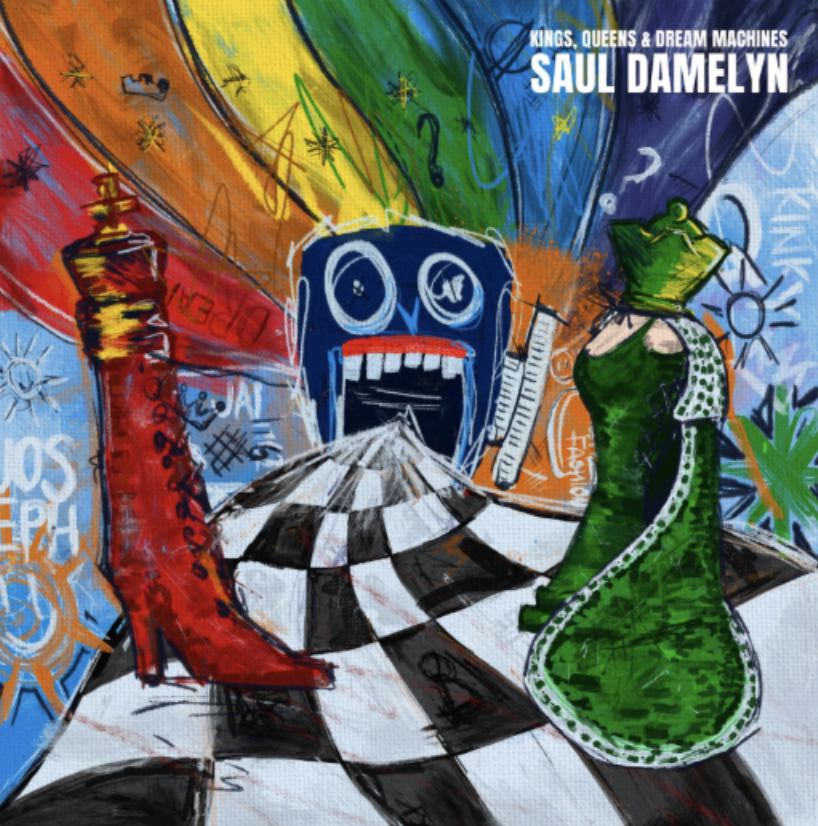
Some albums announce themselves with spectacle. Kings, Queens and Dream Machines, the debut release from Saul Damelyn, takes the opposite route, unfolding slowly through sharp storytelling, lived-in emotion, and an unmistakable reverence for classic songwriting. Released May 8 through Damelyn Records, the ten-track collection feels rooted in tradition without sounding trapped by nostalgia, bridging British pop sensibilities with the open-hearted spirit of Americana.
At its core, the record examines what it means to continue creating — and believing — long after youthful idealism fades into experience. Damelyn approaches themes like artistic identity, longing, reinvention, and personal resilience with the perspective of someone who has spent years observing life closely. His writing avoids grand declarations in favor of nuanced details and conversational honesty, allowing each song to reveal itself gradually. The influence of writers like Elvis Costello and Paul Weller surfaces in the album’s wit and lyrical intelligence, while the warm textures and emotional looseness of the arrangements echo artists such as Gram Parsons and Lucinda Williams.
Much of the album’s emotional depth comes from the presence of featured vocalist Phoebe White, whose performances bring a soulful immediacy to the material. White leads six songs across the album, offering a dynamic contrast to Damelyn’s more weathered, reflective vocal style. Their collaboration reaches its peak on “Museum of Love,” where shared vocals create a striking emotional tension that elevates the song beyond a traditional duet. Rather than competing for attention, the two voices move together naturally, giving the record an intimacy that feels organic and unforced.
The sequencing of the album allows its themes to develop with subtle precision. “Joseph the Dreamer” highlights Damelyn’s gift for narrative songwriting, blending poetic imagery with emotional vulnerability, while “Still Water” captures quiet introspection through understated arrangements and restrained lyricism. Elsewhere, “King Kinky Shoes” injects the album with glam-infused personality and theatrical flair, providing one of the collection’s most playful moments without sacrificing cohesion. Even “High Fashion Queen,” originally associated with The Flying Burrito Brothers, feels entirely at home within the record’s sonic landscape, reinforcing Damelyn’s affinity for timeless country-rock craftsmanship.
The story behind the project itself deepens the emotional resonance of the album. Saul Damelyn is the musical identity of Brian Sher, a lifelong songwriter whose connection to music carries deeply personal meaning. The name honors both his family lineage and the memory of a son he had once intended to name Saul, who was lost before birth due to heart complications. That sense of reflection quietly permeates the record, lending weight to songs already preoccupied with memory, fragility, and perseverance. Importantly, the album never becomes consumed by grief; instead, it consistently returns to hope, endurance, and the importance of continuing forward.
What makes Kings, Queens and Dream Machines especially compelling is its refusal to chase immediacy. Damelyn trusts the listener enough to let these songs breathe, prioritizing substance over flash and emotional honesty over trend-conscious production. The result is a debut that feels remarkably assured — not because it demands attention, but because it earns it gradually through thoughtful songwriting and genuine emotional conviction.
By embracing vulnerability without losing its sense of warmth, Kings, Queens and Dream Machines stands as a deeply human record about creativity, memory, and the persistence required to keep dreaming. It’s an album that understands life’s contradictions and finds beauty within them, offering a debut rich with character, compassion, and quiet wisdom.

