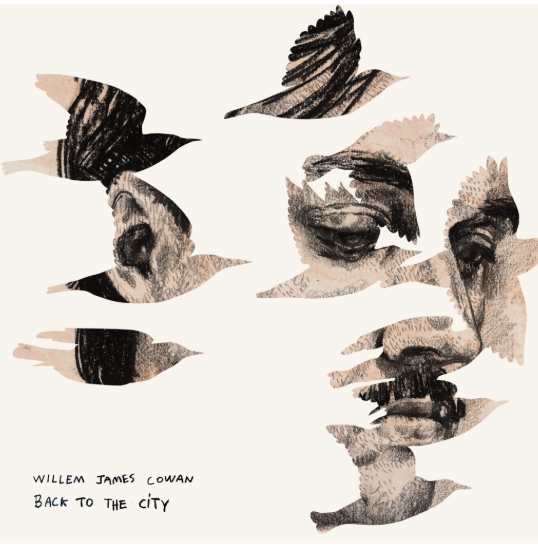
London, ON-based folk artist Willem James Cowan shares “Back to the City,” a sparse and emotionally heavy folk single that captures the strange disorientation of returning to a place once tied to love, comfort, and identity after everything connected to it has changed. Anchored by little more than voice and acoustic guitar, the track transforms post-breakup displacement into something deeply intimate and quietly devastating.
Written after Willem moved back in with his parents following the end of a long-term relationship, “Back to the City” reflects on revisiting Toronto after years spent building a life there with a partner. What was once familiar suddenly felt cold, distant, and emotionally unrecognizable.
“This song is about the feeling you get when you return to a place that you called home for so long, but now feels completely foreign,” Willem explains. “I still remember the lingering anxiety and dread that would well up inside me as I drove past the apartment buildings that line the Gardiner Expressway.”
At its core, “Back to the City” explores how memory reshapes physical spaces. The comfort and warmth once associated with a city become buried beneath grief and emotional residue, transforming everyday landmarks into reminders of absence and change. “It’s amazing how the good memories and feelings you associate with a place can be completely smothered by the bad,” he says.
The recording process mirrors that emotional directness. After unsuccessfully attempting fuller arrangements, Willem ultimately returned to the simplest version of the song: one live off the floor take featuring only voice and acoustic guitar, alongside a handful of subtle guitar swells added afterward.
“I think the sparseness serves the song much more,” Willem shares. “‘Back to the City’ is about loneliness, loss, and discomfort, and I think that shines through with just a voice and acoustic guitar.”
The single closes Willem’s upcoming album, What Should Happen Next?, out at the end of summer 2026: a collection of songs centred around loss, growth, transition, and the uncertainty of moving forward. As the final track, it functions less like resolution and more like quiet acceptance, sitting with discomfort rather than trying to outrun it.

