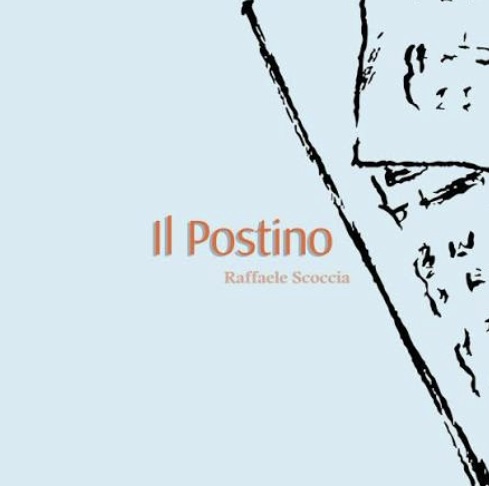
There are recordings made to reinterpret a familiar piece, and then there are recordings made because the music means something deeply personal to the person playing it.
Releases as a tribute to the late Maestro Luis Bacalov, Raffaele Scoccia has released “Il Postino” and the recording finds Scoccia returning to a piece of music connected not only to one of cinema’s most enduring films, but to an important chapter in his own musical life.
Scoccia had the opportunity to study piano with Bacalov during his training, receiving from the composer lessons that extended beyond technique and musicianship into what he describes as invaluable lessons in life. That connection changes the way we hear the performance.
Bacalov’s music for Il Postino has long carried an emotional weight that extends beyond the film itself. Written for Michael Radford’s 1994 film, starring Massimo Troisi, the score earned Bacalov the Academy Award for Best Original Dramatic Score in 1996. Its melodies have an almost immediate sense of place, balancing romance and melancholy with the warmth of Mediterranean life.
There is something very unforced about Scoccia’s decision to stay close to Bacalov’s original conception. He plays it with the respect of someone returing to music written by a teacher he admired, without imposing a different personality upon it.
This approach allows the character of the composition to speak for itself. Argentine tango sensibility meets Italian melody, while touches of jazz and folk tradition colour the piece without overwhelming its central emotional thread. There is tenderness here, but also a gentle sadness, the kind that seems to exist somewhere between memory and longing.
And perhaps that is what makes this recording particularly affecting. Il Postino is already a piece associated with memory: the memory of Troisi’s extraordinary performance, Bacalov’s score and the film’s seaside world. In Scoccia’s hands, another layer of memory enters the music. This is also the sound of a former student remembering his teacher.
Scoccia’s own words reveal just how personal the recording became. He describes the performance as one made with “infinite admiration and the deepest respect” for Bacalov, explaining that he has tried to interpret the piece as faithfully as possible rather than alter its emotional richness.
There is no sense here of trying to claim ownership of Bacalov’s composition. Instead, Scoccia seems to be offering it back as a gesture of gratitude. That makes “Il Postino” an understated but poignant tribute. The recording doesn’t need grand gestures because the story behind it already carries its own emotional resonance. A pianist sits down to play music written by a man who once taught him, and in doing so keeps a small part of that relationship alive. It is fitting, then, that Scoccia’s final hope is simply that his former teacher, wherever he may be, will smile upon the performance.
For a piece of music so closely associated with cinema, Il Postino ultimately becomes something more intimate here: a conversation between student and mentor, carried across time through melody.
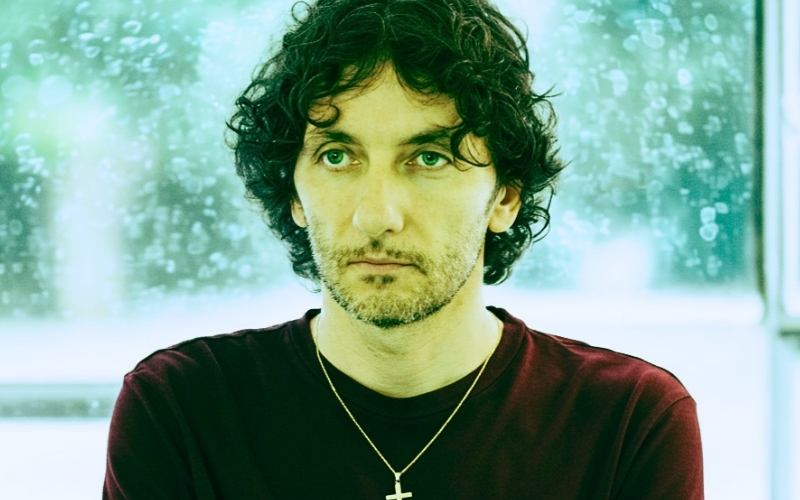
About Raffaele Scoccia
Raffaele Scoccia is a pianist and composer whose work is defined by subtlety and emotional clarity. Drawing from contemporary classical and minimalist traditions, he creates intimate piano driven pieces that emphasize space, tone and the natural resonance of each note.
His music often feels exploratory, guided as much by silence as by sound and is shaped by a sensitivity to mood and atmosphere. Through his compositions, Scoccia invites listeners into a reflective space: one where fleeting thoughts, quiet emotions and the passage of time are given room to unfold with grace and intention.
Follow Raffaele Scoccia on Instagram
 Cool Happy Genius Heroes